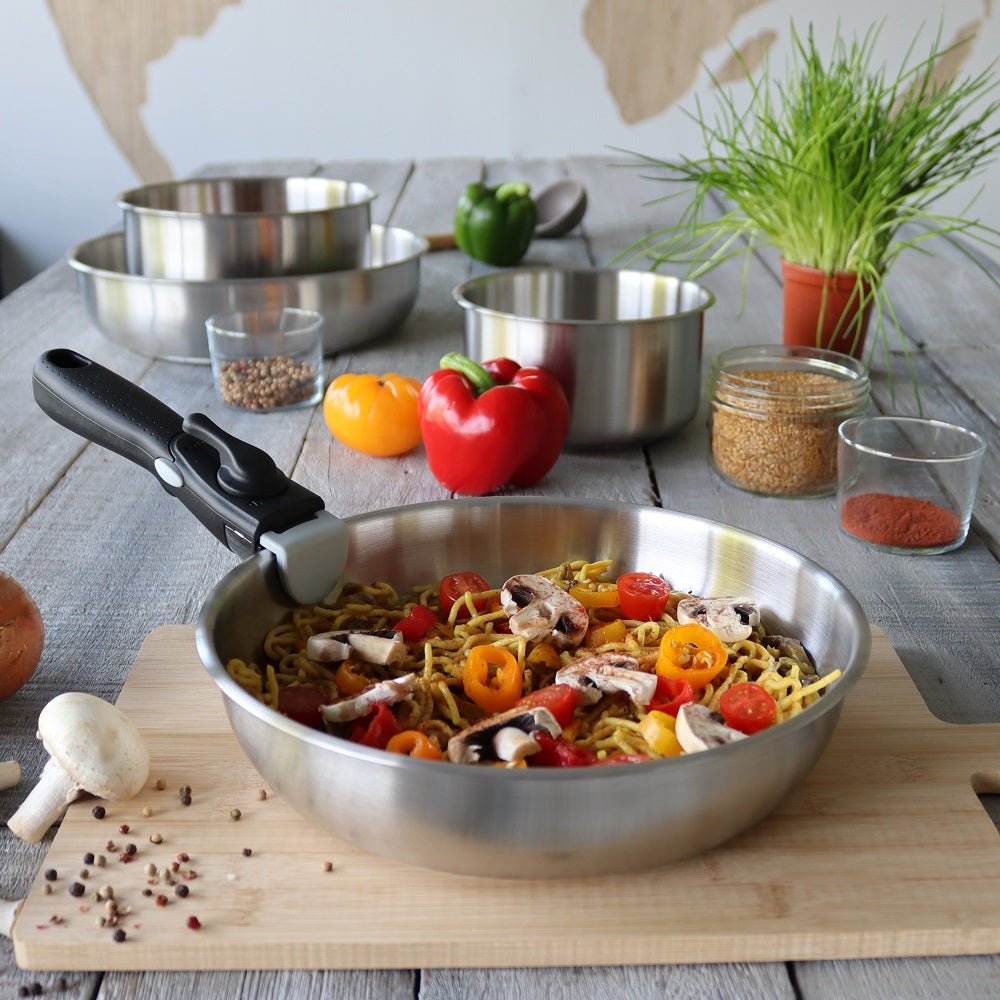
 Say "pan" to a French chef and see their eyes light up. Much more than just an everyday frying pan, the pan embodies a sophisticated French culinary heritage. Its design, the fruit of centuries of expertise, offers unparalleled cooking precision. And the surprise is its modernity: generous diameter (up to 32 cm), low height (around 5 to 7 cm)... It is designed to sear, sauté, or reduce with perfect control. Today, the pan is reinventing itself. Forget cast iron or copper exclusively: new materials focus on health, performance, and sometimes even a natural iron intake for your dishes. This flagship piece has never been so current or so essential to your kitchen.
Summary
- What is a pan?
- Types of stoves and characteristics
- How to use and maintain your pan properly
- Why integrate the pan into your kitchen?
In summary
| Key point | Explanation |
|---|---|
| Know where the pan comes from | Versatile, the frying pan is at the heart of French tradition, designed for precise cooking such as searing or sautéing. |
| Importance of the material | Stainless steel, steel, cast iron, copper… each material offers a different cooking experience. |
| Good maintenance, long life | Seasoning, cleaning, adapting to materials for extended life and lasting performance. |
| Health benefits | Modern pans often require less fat, or even add natural enrichment (like iron for cast iron). |
| A real investment | Aesthetic and robust, well-chosen pans stand the test of time and are suitable for all hobs (gas, induction, etc.). |
What is a pan?
The frying pan is part of French culinary heritage, appreciated by chefs and amateurs alike for its versatility. But understanding it means going beyond its purely functional aspect to understand its cultural symbolism and the ingenuity of its design.
Linguistic and cultural origins
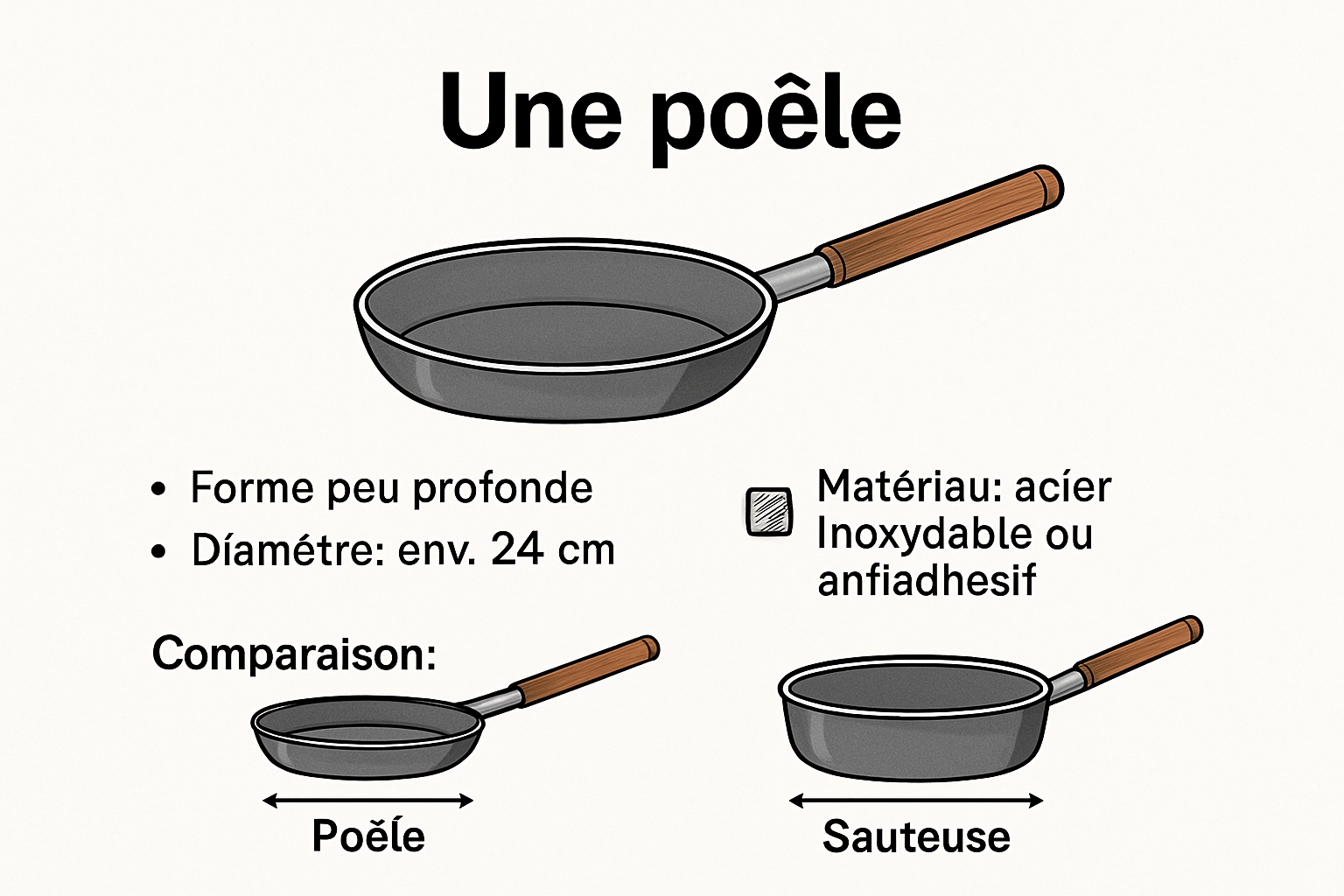
The word "pan" is polysemous in French, referring to both the utensil and the heating appliance. When it comes to cooking, it is a large flat metal surface with a long handle, designed for quick and precise cooking: sautéing, searing, reducing sauces. Originally made of cast iron or copper, the pan has now been enriched with stainless steel, aluminum, or carbon steel to meet modern requirements. Its design promotes even heat distribution and mastery of the culinary technique.
Distinctive features of the pan
The pan stands out:
- Shallow profile : rarely more than 7 cm, ideal for browning and cooking quickly.
- Large diameter : from 20 to 32 cm, optimized space for easy mixing.
- Long handle : easy handling, even over high heat.
- Multiple materials : stainless steel, aluminum, carbon steel... for every requirement. Its strong point? Fast and even heating, essential for searing, sautéing, or enhancing a sauce.
Current culinary applications
The frying pan has reinvented itself! It can be used on gas hobs, induction hobs, and ovens. A star of French and international cuisines, it meets every challenge: seared fish, golden vegetables, a perfect omelet, or creamy sauces. Recent models focus on ergonomics, healthy coatings, and ease of maintenance. It's becoming the key utensil for healthy, fast, and delicious cooking, whether you're a star chef or a weekend cook.
Choosing a frying pan means choosing quality, adaptability and gastronomic heritage while taking advantage of modern innovations.
Types of stoves and characteristics
The world of pans is rich in nuances. Materials, shapes, and finishes: everything is designed to meet the desires of every gourmet.
Choice of materials and performance
- Stainless steel pan : Durable, universal and almost indestructible, it heats evenly, without reacting with food.
- Carbon steel pan : Popular with professionals, light and responsive, it naturally develops a non-stick surface after several passes.
- Copper pan : For purists! Ultra-conductive, it heats up... and cools down in the blink of an eye. Ideal for precise sauces and caramelization.
- Cast iron skillet : Perfect for simmering, it accumulates heat and releases it for a long time. Its bonus: it adds natural iron to dishes.
Specialty stoves
Depending on the use, the pan is suitable:
- Traditional models : Wide, shallow, long handle — for cooking in the French style.
- Pro version : Reinforcements, variable height and often in steel or stainless steel, designed to withstand the shock of intensive cooking.
- “Easy to live with” side : Lightweight, ergonomic, with non-stick coating, ideal for everyday cooking and quick cleaning.
Recent technical innovations
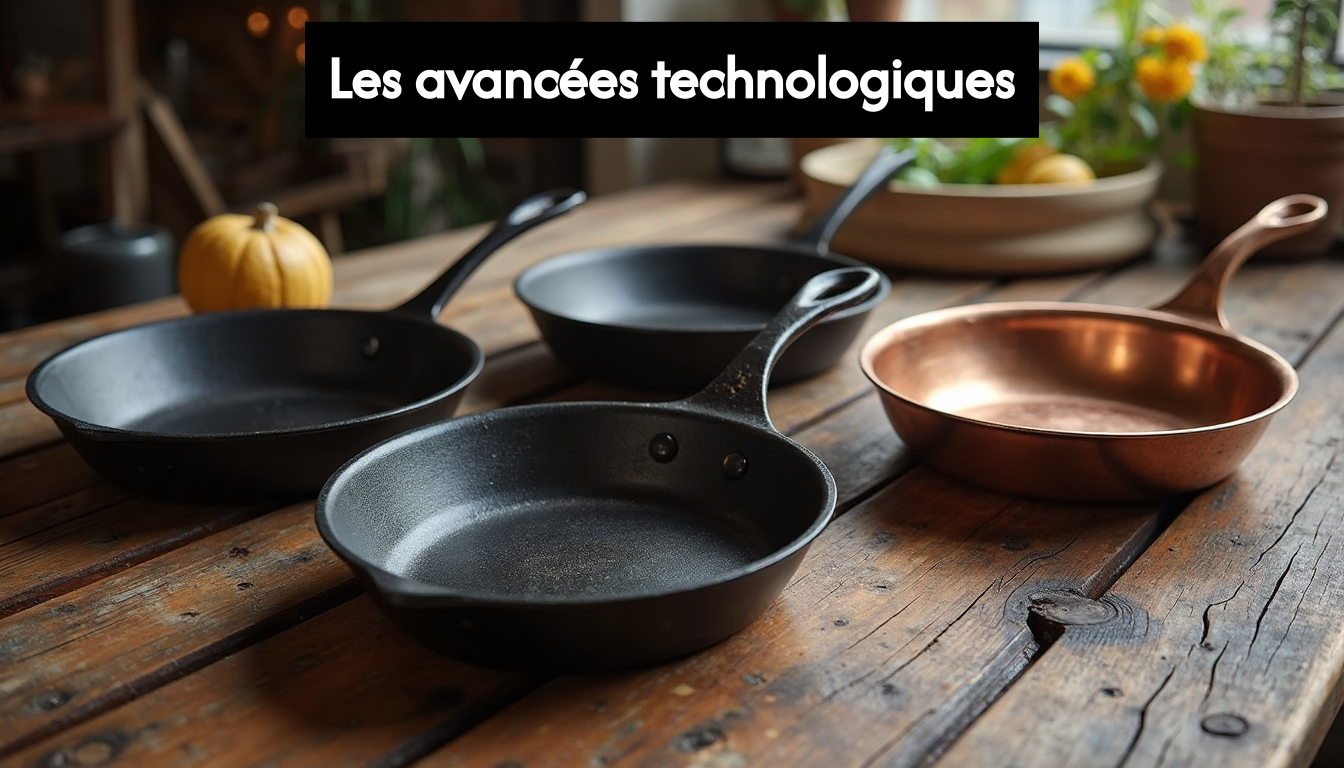 Today, pans are equipped with multiple advances: multi-layers for even cooking, insulated handles, PFAS- and PTFE-free coatings, total compatibility with different hobs... The perfect alliance between heritage and modernity.
The right pan transforms your approach to cooking, whether you're a passionate cook or a beginner!
How to use and maintain your pan properly
Using and maintaining your pan properly guarantees its longevity... and ensures you enjoy it year after year.
Essential gestures of use
Always preheat gently to distribute the heat. Carbon steel or cast iron require a certain amount of "breaking-in": they become more effective over the seasons. Opt for soft utensils (wood, silicone) to protect fragile surfaces. Brown, sauté, reduce: the pan is perfect for all express or elaborate cooking tasks.
Maintenance according to materials
- Stainless steel : Simple washing up in hot water, dry immediately.
- Steel/Cast Iron : No harsh soap! Just warm water and a thin layer of oil to maintain the non-stick patina.
- Copper : Clean with a soft cloth, avoid abrasives. Re-tin occasionally if necessary. Proper maintenance is the key to maintaining performance and enjoyment—without unpleasant surprises.
Advanced preservation techniques
Seasoning (heating the oiled pan, then letting it cool) ensures a naturally non-stick surface for steel and cast iron. Store in a dry place, insulating each pan to avoid scratches. Be careful of thermal shock! Let it cool before adding water.
The pan, when treated well, becomes the accomplice of all your culinary successes... and can be passed down, why not, from generation to generation.
Why integrate the pan into your kitchen?
Performance and versatility
The real advantage of a frying pan? Precise cooking, suitable for all styles (sautéing, searing, reducing, etc.). Modern materials optimize heat management for evenly browned dishes that always turn out well.
Health and nutrition
With the new pans, little or no fat is needed! Your diet naturally becomes lighter. And for those who use cast iron, a natural iron boost is added to your plate.
Coatings without harmful substances, healthy materials, easy cleaning: cooking becomes a real pleasure, reassuring and delicious.
A sustainable investment
Investing in a good pan is a long-term choice. Stainless steel or steel lasts for years and remains beautiful. Contemporary models are suitable for all hobs (including induction), can be proudly displayed on your walls, and add character to your kitchen. More than just a utensil: a true partner for great meals.
Whether you're an experienced chef or a home cook, the right pan will revolutionize your daily cooking. Precision, health, and pleasure: it's all here!
Frequently Asked Questions
What exactly is a frying pan?
It is a utensil with a wide, shallow, flat bottom and a long handle, designed for quickly searing, sautéing or reducing food with perfect heat control.
What materials should I use for my pan?
Stainless steel, carbon steel, cast iron, copper: each material has its advantages for successful cooking according to your desires.
How do I properly maintain my pan?
Stainless steel is easy to clean; steel and cast iron need to be seasoned regularly to maintain their non-stick quality; copper requires delicate maintenance.
Why choose a frying pan over a classic frying pan?
For its precision, versatility, durability and the health benefits associated with its use.
Choose the pan that will transform your recipes
Do you dream of golden, flavorful dishes, without sticking problems or excess fat? The modern frying pan is the solution for healthy, fast, and flavorful cooking. Forget "classic" frying pans that wear out or stick: the right frying pan really streamlines cooking and will enhance your dishes every day.
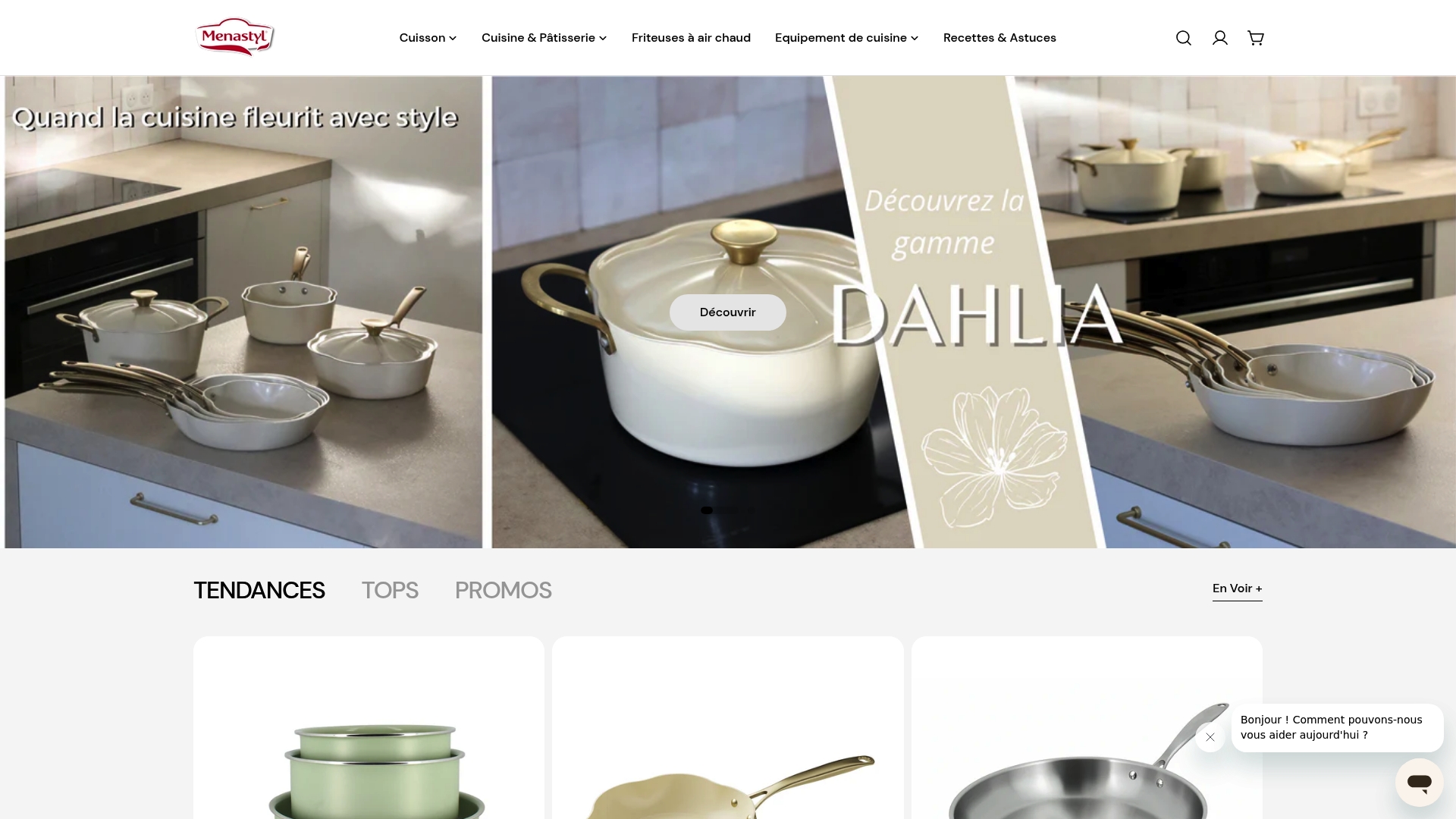
Want to change the way you cook? Discover the collection inspired by French tradition on Menastyl.eu : stainless steel, aluminum, modern colors, and PFAS- and PTFE-free for a serene and stylish kitchen. Fast delivery, durable quality, guaranteed performance: find the pan that's right for you and give your cooking a boost!